- Hygiene & Industry-Specific Services
Cleaning Solutions Designed Around Your Industry
Every industry has different cleaning requirements.
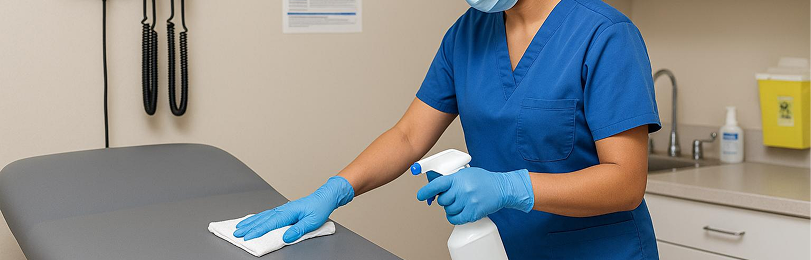
Careful Cleaning for Healthcare Environments
Medical practices and healthcare facilities require a considered approach to cleaning. Treatment rooms, waiting areas, reception desks, and shared facilities may have different hygiene requirements depending on their use. A clearly defined cleaning plan helps ensure that designated areas receive the appropriate attention.
- Cleaning reception areas, waiting rooms, and administrative spaces.
- Cleaning designated treatment rooms and consultation areas.
- Cleaning floors and suitable accessible surfaces.
- Cleaning washrooms and staff facilities.
- Paying attention to frequently touched surfaces according to the cleaning plan.
- Removing waste from designated collection points in line with agreed procedures.
- Using appropriate cleaning products and equipment for the surfaces being treated.
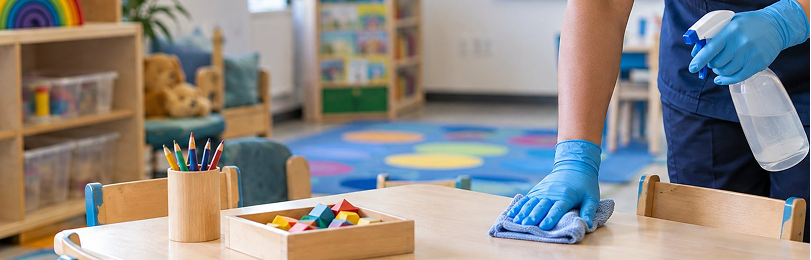
Cleaner Learning Spaces for Children and Staff
Educational environments are used throughout the day by children, students, teachers, and support staff. Classrooms, corridors, washrooms, dining areas, and shared facilities all need regular attention to remain clean, organized, and welcoming.
- Cleaning classrooms, teaching rooms, and activity areas.
- Cleaning corridors, entrances, and shared spaces.
- Cleaning washrooms and sanitary facilities.
- Cleaning staff rooms and designated dining areas.
- Cleaning suitable desks, tables, and accessible surfaces.
- Cleaning designated exterior glass and facade sections as scheduled.
- Emptying designated waste bins and maintaining orderly waste collection points.
- Cleaning floors and addressing everyday dirt in high-use areas.
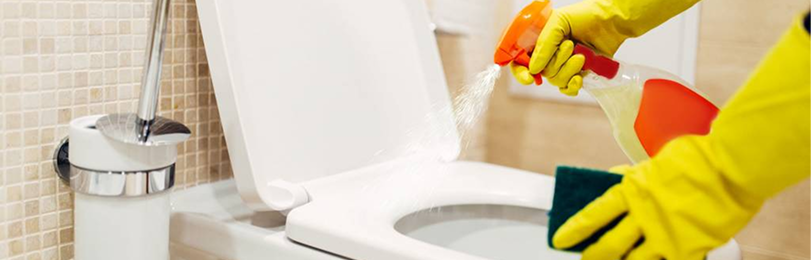
Clean, Fresh, and Well-Maintained Sanitary Facilities
Washrooms and restroom facilities are among the most frequently used areas in commercial buildings. Regular cleaning helps address visible dirt, soap residue, moisture, and everyday contamination while maintaining a comfortable environment for employees, visitors, and customers.
- Cleaning toilets, urinals, sinks, and washbasins.
- Cleaning taps, mirrors, and suitable fixtures.
- Cleaning floors, walls, and accessible sanitary surfaces.
- Removing soap residue, water marks, and visible dirt.
- Cleaning door handles and frequently touched points.
- Emptying designated waste bins.
- Checking soap, toilet paper, and paper towel supplies where replenishment is included.
- Reporting visible maintenance issues, leaks, or damaged fixtures.
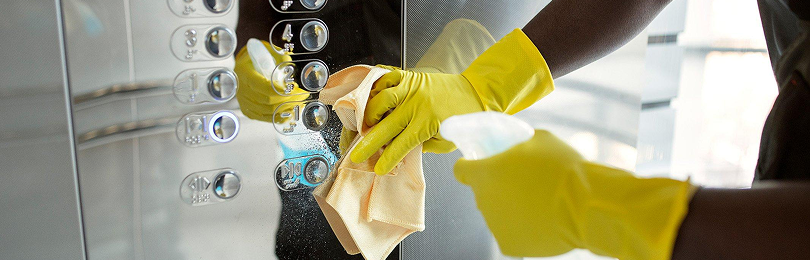
Targeted Surface Disinfection for Hygiene-Sensitive Areas
In certain environments, routine cleaning may need to be complemented by targeted disinfection. Frequently touched surfaces and designated hygiene-sensitive areas may require additional treatment based on the facility’s procedures, the type of use, and the applicable requirements.
- Cleaning surfaces before disinfection where required.
- Treating designated high-touch surfaces.
- Disinfecting suitable shared-use surfaces and contact points.
- Applying products appropriate for the surface and intended use.
- Following the product's specified application and contact-time instructions.
- Maintaining an agreed cleaning and disinfection schedule.
- Recording completed activities where documentation is included in the service scope.
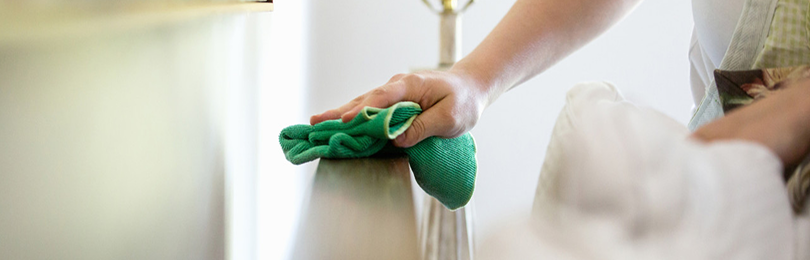
A Clean and Welcoming Experience for Every Guest
Cleanliness plays an important role in the guest experience. Guest rooms, reception areas, corridors, washrooms, and shared spaces all contribute to how visitors perceive a hotel or accommodation facility.
- Cleaning guest rooms and designated accommodation areas.
- Cleaning reception areas, lobbies, and corridors.
- Cleaning guest washrooms and shared sanitary facilities.
- Maintaining public spaces and common areas.
- Cleaning suitable furniture, fixtures, and accessible surfaces.
- Vacuuming carpets and cleaning hard floors.
- Removing waste from designated collection points.
- Reporting visible damage, maintenance issues, or missing items according to the agreed procedure.
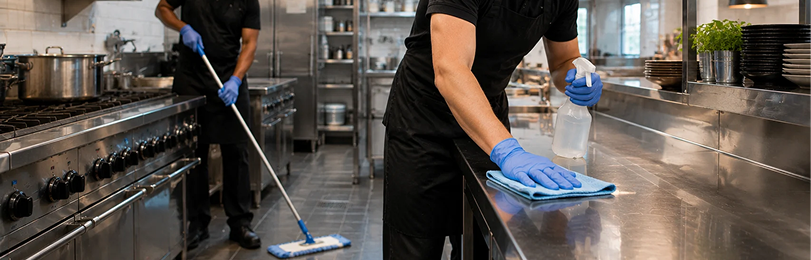
Clean and Presentable Spaces for Food Service Environments
Restaurants and catering facilities need cleaning routines that reflect their daily operations, customer traffic, and the different functions of their spaces. Dining areas, customer washrooms, service counters, and designated preparation areas all require appropriate attention to maintain a clean and organized environment.
- Cleaning dining rooms, tables, chairs, and customer areas.
- Cleaning entrances, reception points, and customer circulation areas.
- Cleaning customer and staff washrooms.
- Cleaning suitable floors and accessible surfaces.
- Cleaning designated service counters and non-food-contact surfaces.
- Removing waste from designated collection points.
- Cleaning staff areas and selected back-of-house spaces where agreed.
- Paying attention to frequently touched surfaces according to the cleaning plan.
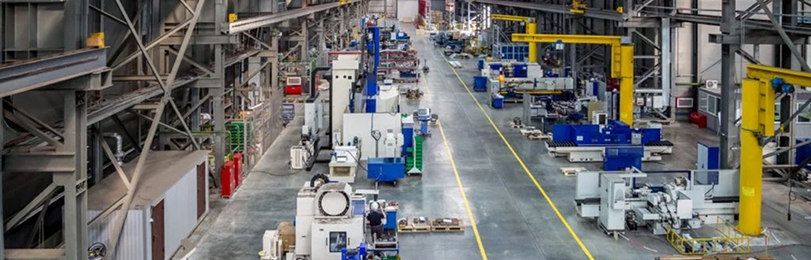
Practical Cleaning Solutions for Industrial Environments
Industrial facilities can present demanding cleaning conditions, from high-traffic production areas and warehouse floors to equipment zones and operational support spaces. Dust, production residues, and accumulated dirt can vary significantly depending on the processes taking place and the materials handled.
- Cleaning industrial floors and designated traffic routes.
- Removing loose dust and general dirt from suitable surfaces.
- Cleaning selected work areas and operational support spaces.
- Cleaning accessible walls, fixtures, and other designated surfaces.
- Cleaning staff facilities, washrooms, and common areas.
- Removing waste from designated collection points according to agreed procedures.
- Cleaning suitable warehouse and storage areas.
- Reporting visible maintenance concerns or cleaning-related issues.